


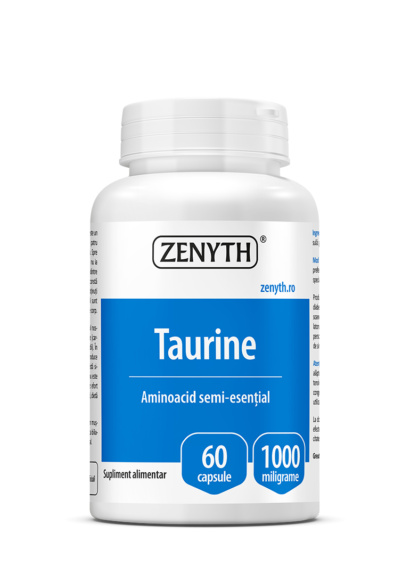
Taurine 1000 mg, 60 capsules
Taurine 1000 mg, an amino acid with antioxidant effects. Supports heart, brain, and eye health. Helps improve sports performance. 60 capsules.
€10.90
€16.90
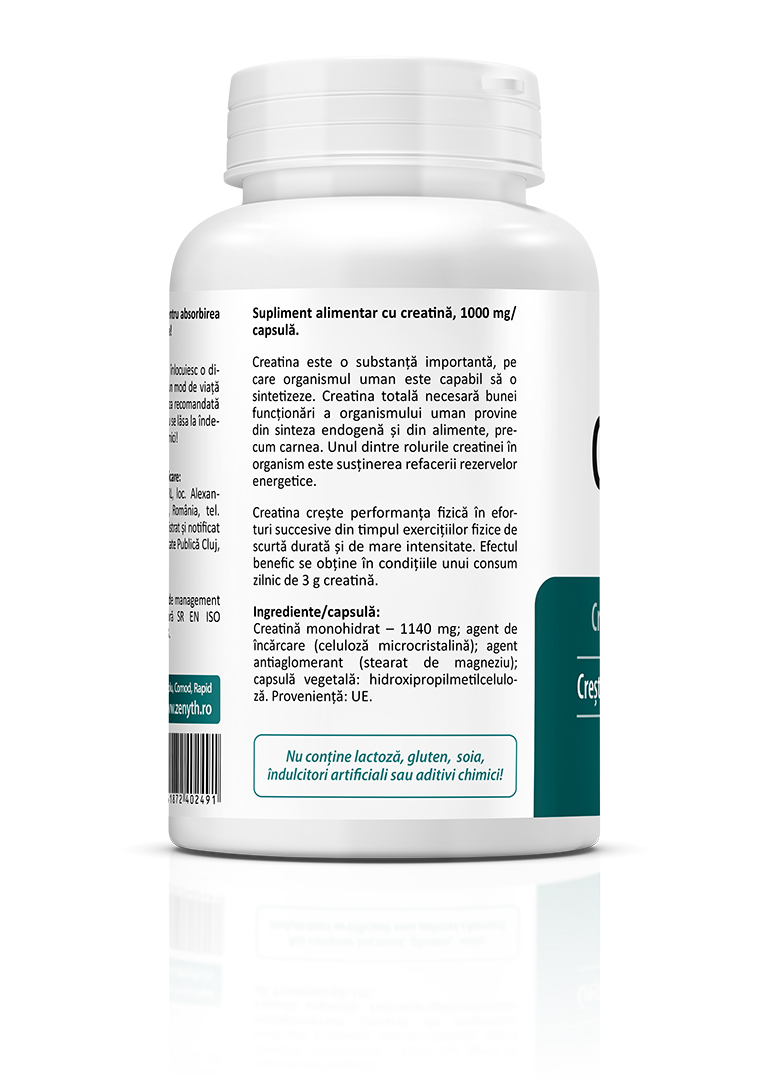
The product is also suitable for vegans and vegetarians! It does not contain lactose, gluten, soy, or artificial sweeteners.
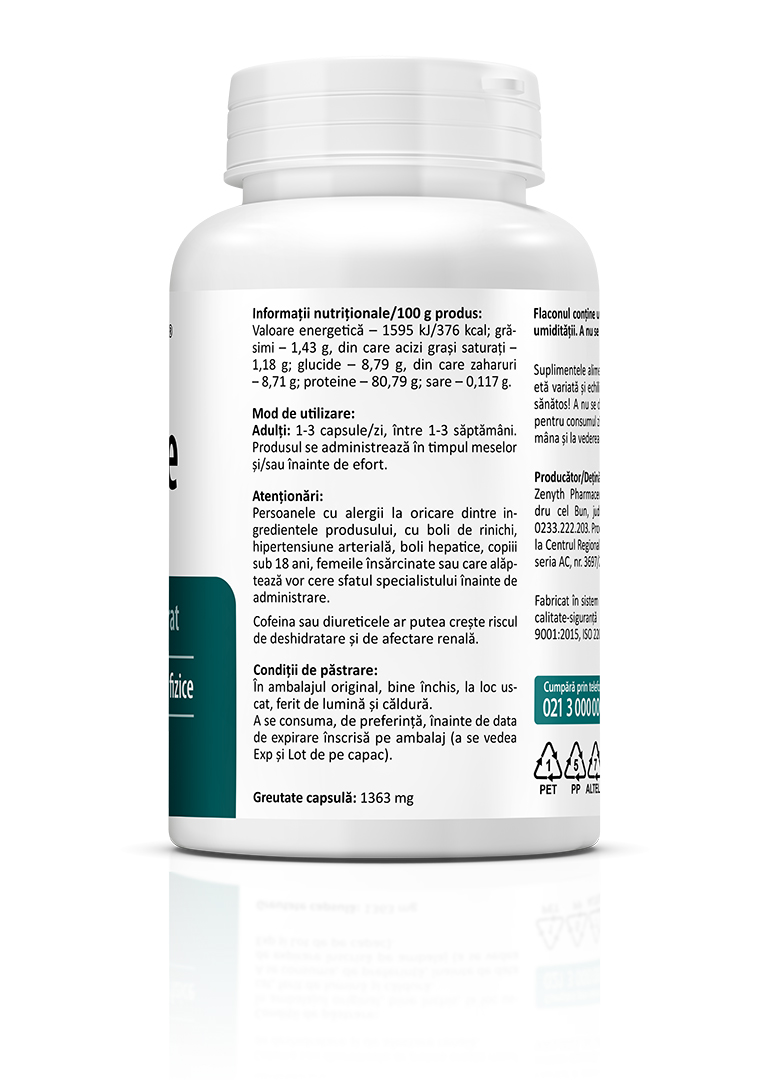
| Nutritional information | Per 100 g of produs |
|
Energy value |
1595 kJ/376 kcal |
| Fats | 1,43 g |
| of which saturated fatty acids | 1,18 g |
| Carbohydrates | 8,79 g |
| of which sugars | 8,71 g |
| Proteins | 80,79 g |
|
Salt * |
0,117 g |
*The salt content comes naturally from sodium.
Warnings
Storage conditions
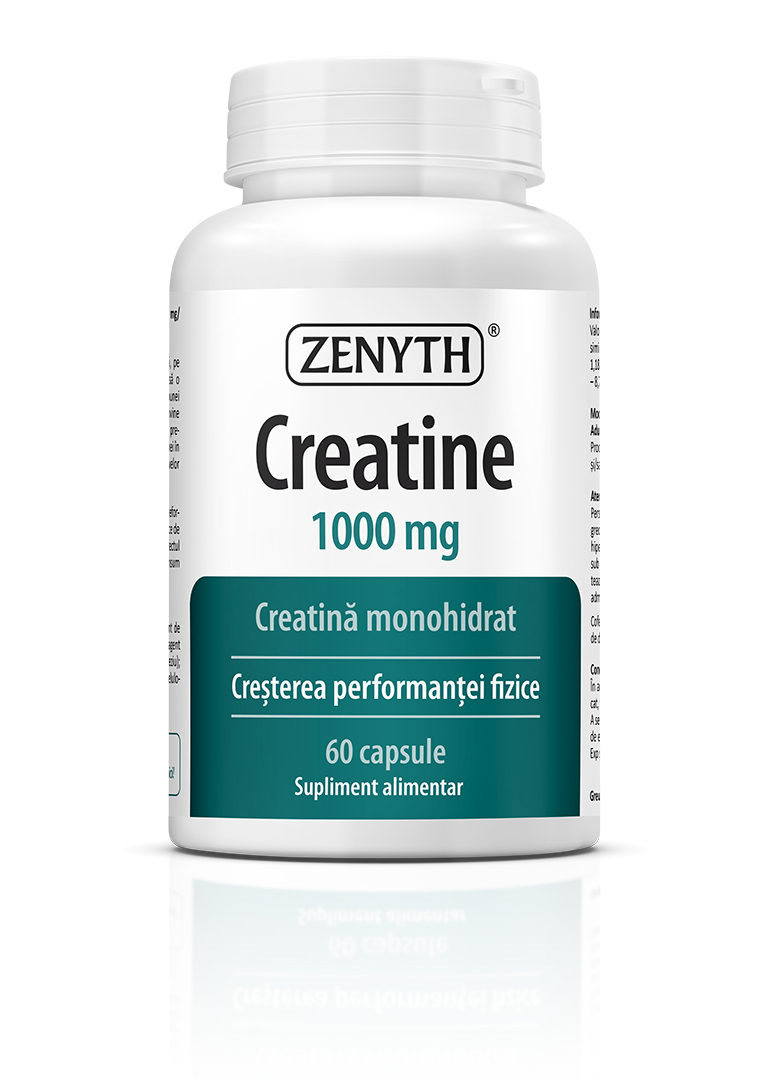
Creatine 1000 mg is a dietary supplement containing creatine monohydrate, which helps increase the body’s energy reserves. Creatine occurs naturally in the human body and is a nitrogenous compound made from amino acids. Endogenous creatine comes from both the body’s own synthesis and from dietary intake (red meat, chicken, tuna, salmon, eggs, dairy). Approximately 95% of the body’s creatine is stored in muscles, while the remaining amount is stored in other tissues. The body’s own synthesis provides nearly half of the daily creatine requirement. The remaining half, necessary to maintain normal tissue levels, comes from a protein-rich diet or dietary supplements. Creatine plays a crucial role in energy supply, and supplementation is beneficial during intense physical activity, medical recovery, convalescence, and in conditions such as cardiovascular disease, Parkinson’s, and Alzheimer’s. Vegetarians and elderly individuals have significantly lower creatine reserves compared to other groups, so they can benefit from creatine supplementation. Creatine monohydrate is the most studied form of creatine and is much more stable than other forms, reducing the risk of its conversion into creatinine. This form also delivers the highest amount of pure creatine without compromising stability and has an absorption rate of nearly 100%.
Creatine occurs naturally in the human body and is a compound synthesized from amino acids. Creatine plays an important role in cellular metabolism by supplying energy, especially during metabolic stress. Limitations in the ability to transport and/or store creatine can negatively affect metabolism. Moreover, increased availability of creatine in tissues can improve cellular metabolism and, therefore, reduce the severity of damage or disease states, particularly when oxygen availability is compromised. Creatine is involved in maintaining ATP availability by supporting the replenishment of depleted ATP levels in the cellular cytosol during periods of high energy demand, such as intense physical exercise, conditions where energy production is impaired (ischemia, hypoxia), or when energy supply is insufficient due to increased demand (mental fatigue, certain illnesses).
The multifaceted mechanisms through which creatine exerts its beneficial effects include increasing anaerobic energy capacity and reducing protein breakdown, which leads to increased muscle mass and physical performance. These benefits have been reported in men, women, children, and the elderly, although most studies have been conducted on men. Creatine in the body comes both from endogenous synthesis and from dietary sources, and is stored primarily in muscles—about 95%—with the remaining amount found in other tissues, such as the heart, brain, and testes. Approximately two-thirds of this creatine is bound to inorganic phosphate (Pi) and stored as phosphocreatine (PCr), while the rest is stored as free creatine (Cr). The total creatine reserve (Cr + PCr) is approximately 120 mmol/kg of dry muscle mass for a 70 kg person consuming a diet that includes red meat and fish. Vegetarians have been reported to have muscle creatine and PCr stores about 20–30% lower than non-vegetarians. The body breaks down approximately 1–2% of muscle creatine per day into creatinine, which is excreted in urine. Creatine degradation into creatinine is higher in individuals with greater muscle mass and in those with higher levels of physical activity.
Theo Wallimann and other researchers have noted that the daily requirement of creatine can range between 2–4 g/day to promote overall health (The creatine kinase system and pleiotropic effects of creatine, T. Wallimann, M. Tokarska-Schlattner, U. Schlattner). Vegan or typical omnivorous diets generally provide between 0 and 0.75–1.5 g/day, meaning that creatine stores are not fully saturated. An adult may require 2–3 g/day to maintain normal creatine stores, depending on diet, muscle mass, and physical activity level, in order to support optimal body function as they age.
Creatine is known as one of the most studied energy-boosting supplements for athletes, but therapeutic benefits for overall health have also been reported (Richard B. Kreider, Jeffery R. Stout, Creatine in Health and Disease). It can be used as a nutritional strategy to maintain physical and mental capacities. In older adults, creatine reduces the risk of chronic diseases, acting as an adjunct in disease management or to accelerate recovery. During aging, creatine improves cognitive function while also supporting cardiovascular and muscular health, provided its administration is accompanied by appropriate levels of physical activity.
In recent years, the adjunct role of creatine supplementation has been studied in conditions characterized by energy deficits or impaired energy management, such as diabetes, sarcopenia, osteoporosis, obesity, reduced immunity, and post-viral chronic fatigue. Creatine accelerates healing after trauma, making it recommended in medical rehabilitation and physiotherapy. Studies show that creatine supplementation can help lower cholesterol and triglycerides and manage blood lipid levels. It reduces fat accumulation in the liver, improves glycemic control, and may aid in weight management. By helping to lower homocysteine levels, creatine may also reduce the risk of heart disease. Certain studies indicate that creatine can minimize bone loss and improve functional capacity in patients with osteoarthritis and fibromyalgia.
Creatine 1000 mg is a food supplement.
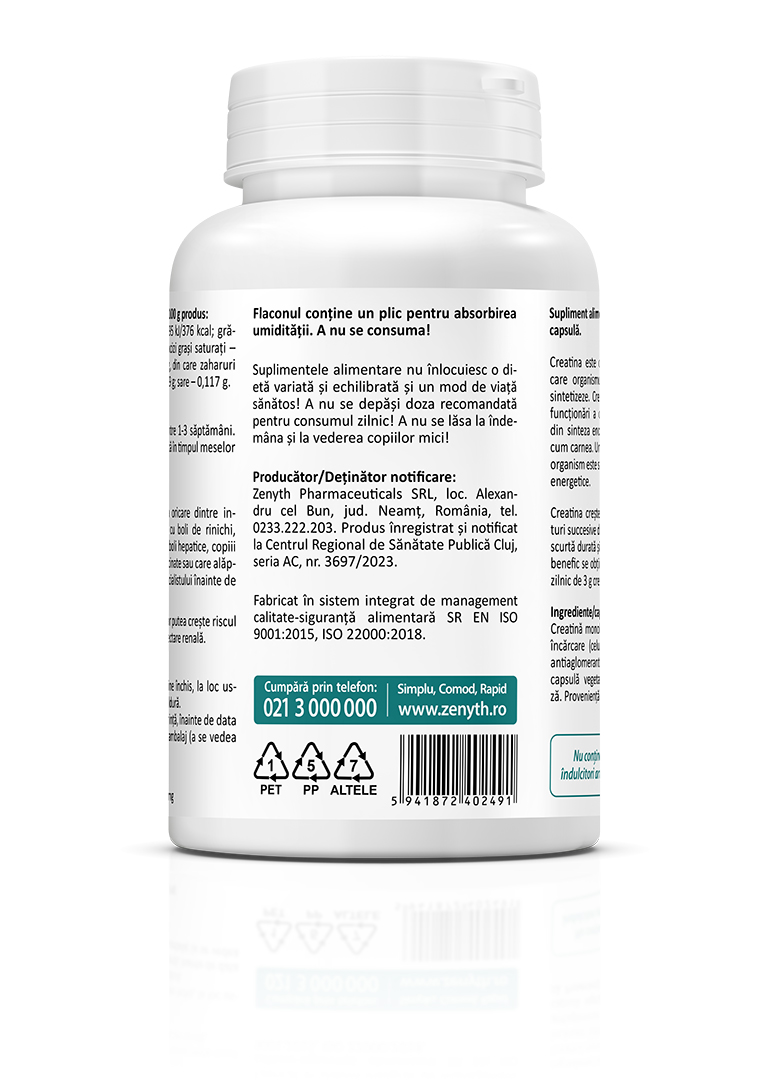
Food supplements do not replace a varied, balanced diet and a healthy lifestyle! Do not exceed the recommended daily dose! Keep out of reach and sight of young children!
Manufacturer / Notification Holder: Zenyth Pharmaceuticals SRL, Alexandru cel Bun, Neamț County, Romania. Product registered and notified at the Cluj Regional Center for Public Health, series AC, no. 3697/2023.
Taurine 1000 mg, an amino acid with antioxidant effects. Supports heart, brain, and eye health. Helps improve sports performance. 60 capsules.
€10.90
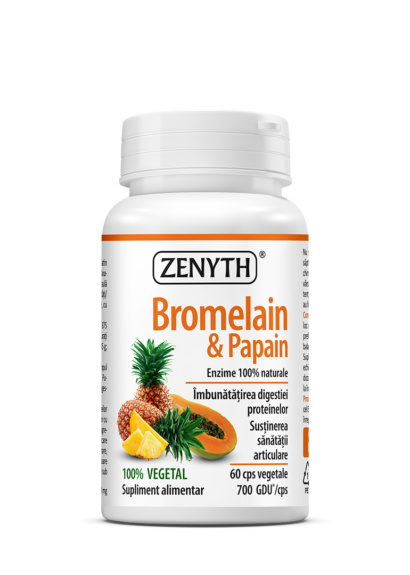
Bromelain and Papain, 100% natural digestive enzymes for protein digestion and joint health. 700 GDU per capsule. 60 capsules
€17.90
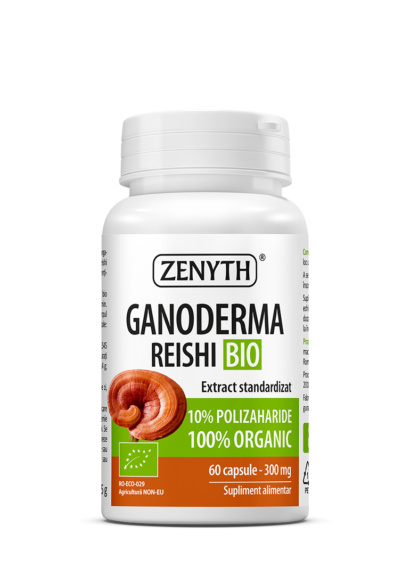
Ganoderma Reishi BIO 300 mg, 100% natural and organic extract. Supports immune health and helps reduce inflammation. 60 capsules.
€14.90
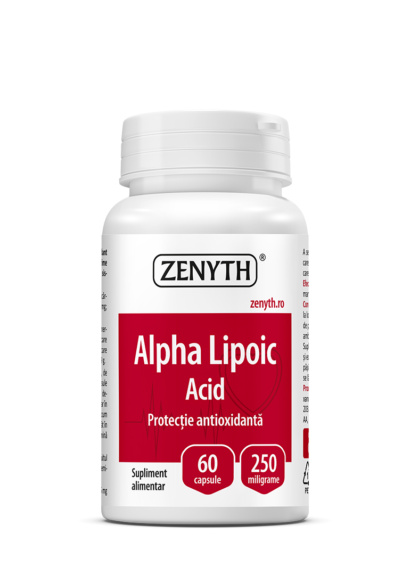
Alpha Lipoic Acid 250 mg, a powerful antioxidant for cellular protection, heart, and nervous system. 60 capsules.
€18.90