

+500+mg,+60+capsules)
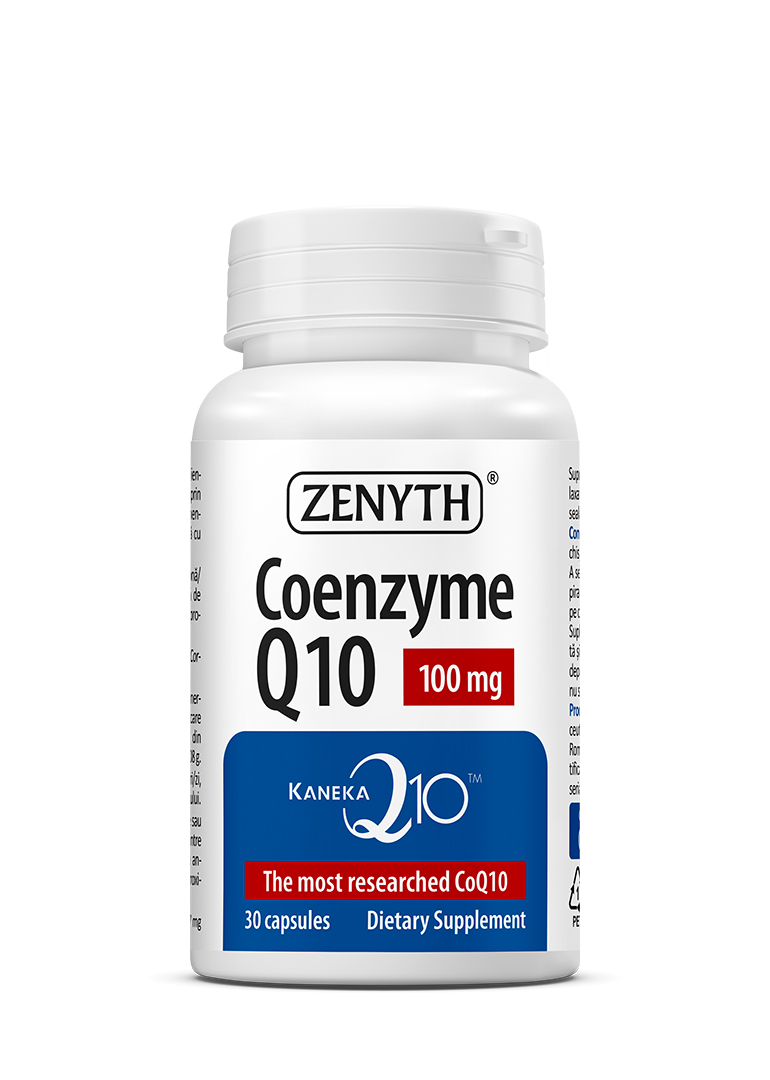
Coenzyme Q10 Kaneka™ 100 mg, 30 capsules
Coenzyme Q10 Kaneka™ 100 mg, the most studied Coenzyme Q10. High quality and purity. Protects the heart and blood vessels. 30 capsules.
€17.90
Original price was: €13.90.€11.12Current price is: €11.12.
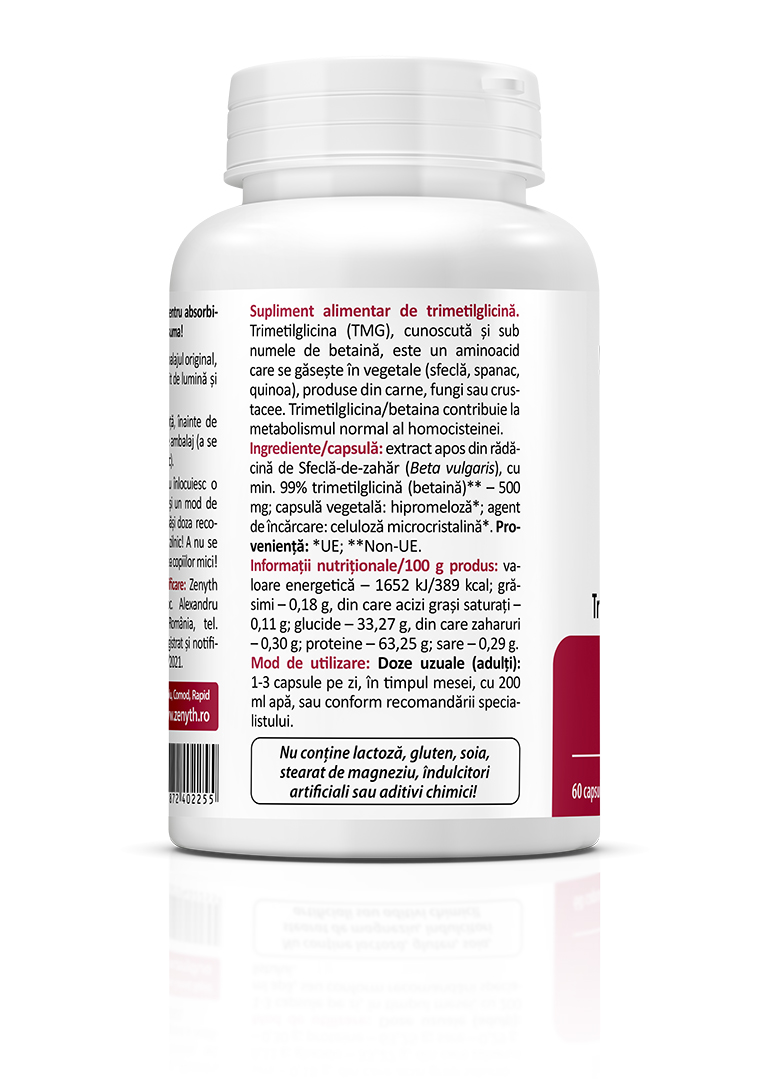
Does not contain lactose, gluten, soy, magnesium stearate, artificial sweeteners, or other chemical additives!
| Nutritional information | Per 100 g of produs |
| Energy value | 1652 kJ/389 kcal |
| Fats | 0,18 g |
| of which saturated fatty acids | 0,11 g |
| Carbohydrates | 33,27 g |
| of which sugars | 0,30 g |
| Proteins | 63,25 g |
| Salt * | 0,29 g |
*The salt content comes naturally from sodium.
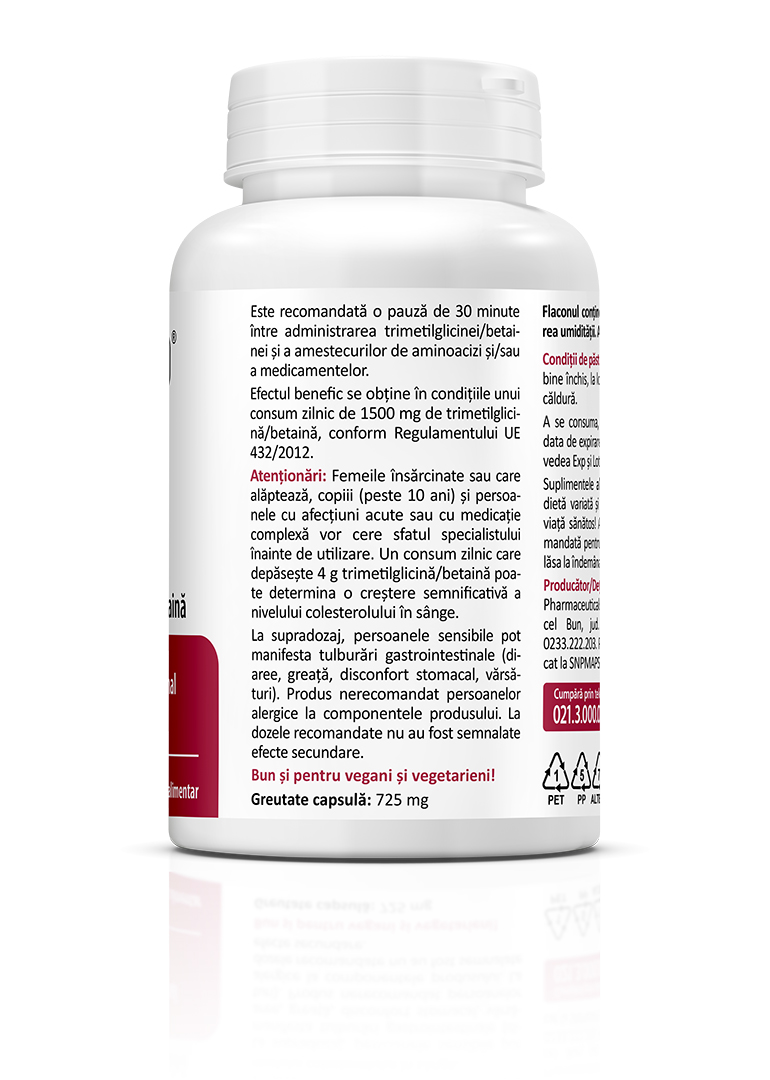
Warnings
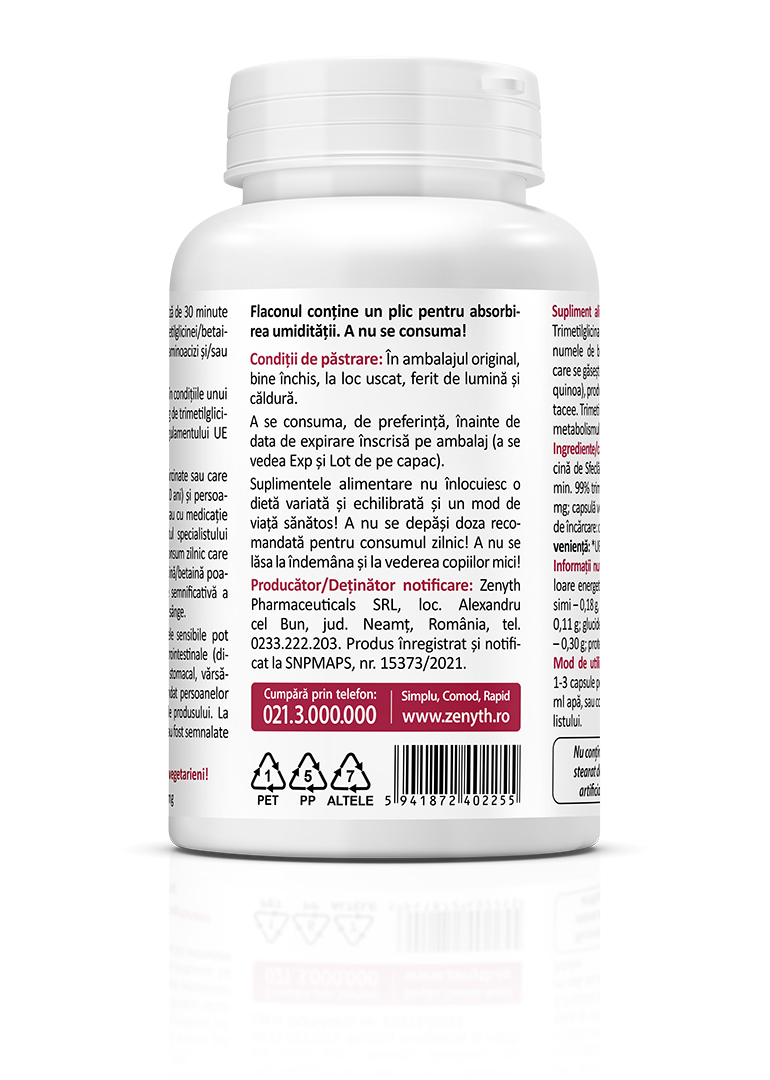
Storage conditions
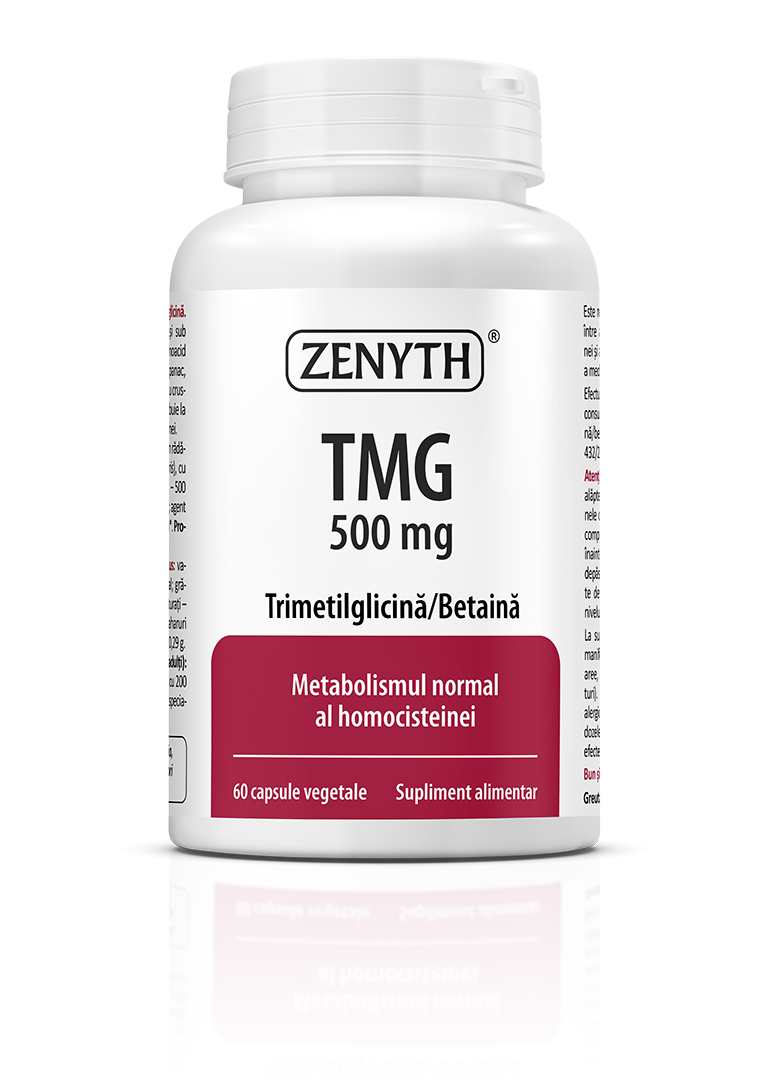
TMG 500 mg from Zenyth is a food supplement containing trimethylglycine, also known as betaine, derived from sugar beet. Trimethylglycine (TMG), or betaine, is an amino acid found in plants (beetroot, spinach, quinoa), meat products, fungi, and shellfish. It helps prevent heart disease, has antioxidant properties, and supports increased energy production. In the human body, trimethylglycine or betaine is naturally formed through the breakdown of choline. In other words, choline is the “precursor” of trimethylglycine/betaine. Choline must be present for trimethylglycine/betaine to be synthesized in the body. Similar to B vitamins, including folate and B12, betaine is a methyl donor. This means betaine is essential for optimal liver function, detoxification, proper nerve and brain function, muscle activity, maintaining energy levels, and more. Trimethylglycine/betaine also plays a crucial role in fat metabolism. This donation of a methyl group to other molecules, known as methylation, can accelerate or maintain normal biosynthesis processes in the body, including hormones, neurotransmitters, nucleic acids, proteins, phospholipids, and more.
Perhaps the most studied benefit of trimethylglycine, or betaine, is its support of the conversion of the amino acid homocysteine in the blood into methionine. Elevated homocysteine levels can pose a risk to blood vessel health and may contribute to the formation of atherosclerotic plaques.
Homocysteine is an amino acid that accumulates in individuals who cannot metabolize methionine (an essential amino acid involved in liver detoxification) into cysteine (a non-essential amino acid important for liver detoxification and eye protection). TMG (trimethylglycine or betaine) helps reduce homocysteine levels in the blood, which contributes to the prevention of heart disease.
Elevated homocysteine levels are a potential risk factor for cardiovascular diseases. Trimethylglycine/betaine donates one of its methyl groups to homocysteine, converting it back into methionine, thereby preventing the rise of homocysteine levels in the body. Additionally, lowering homocysteine improves mitochondrial membrane function and protects cells from oxidative stress and inflammation.
TMG supports liver function and detoxification
Trimethylglycine, or betaine, may be useful in improving both non-alcoholic and alcoholic liver damage. In the liver, TMG helps reduce alcohol-induced inflammation and stress, decreases hepatocyte damage, reduces fat accumulation in the liver, and protects the liver from toxins.
Trimethylglycine/betaine has anti-inflammatory effects and may help prevent numerous diseases, including obesity, diabetes, cancer, and Alzheimer’s disease, according to a study published in 2018 (Front Immunol. 2018; Betaine in Inflammation: Mechanistic Aspects and Applications).
Supplementation with trimethylglycine or betaine can contribute to faster fat burning without affecting muscle mass. A study published in 2018 showed that trimethylglycine/betaine supplementation can support fat loss in women who exercise. In the study, participants received 2.5 g of trimethylglycine/betaine per day for 9 weeks while performing regular physical activity. They observed a greater reduction in body fat compared to a placebo group (J Int Soc Sports Nutr. 2018; The effects of chronic betaine supplementation on body composition and performance in collegiate females: a double-blind, randomized, placebo-controlled trial).
Betaine/trimethylglycine is also used to increase stomach hydrochloric acid levels and improve digestion. Individuals with low stomach acid or slow digestion may benefit from the action of betaine/trimethylglycine. Taking betaine before meals supports digestion and intestinal health.
TMG (Trimethylglycine) 500 mg is a food supplement.
Food supplements do not replace a varied, balanced diet and a healthy lifestyle! Do not exceed the recommended daily dose! Keep out of reach and sight of young children!
Manufacturer / Notification Holder: Zenyth Pharmaceuticals SRL, Alexandru cel Bun, Neamț County, Romania, Tel.: +40 233 222 203. Product registered and notified at SNPMAPS, nr. 15373/2021.
Coenzyme Q10 Kaneka™ 100 mg, the most studied Coenzyme Q10. High quality and purity. Protects the heart and blood vessels. 30 capsules.
€17.90
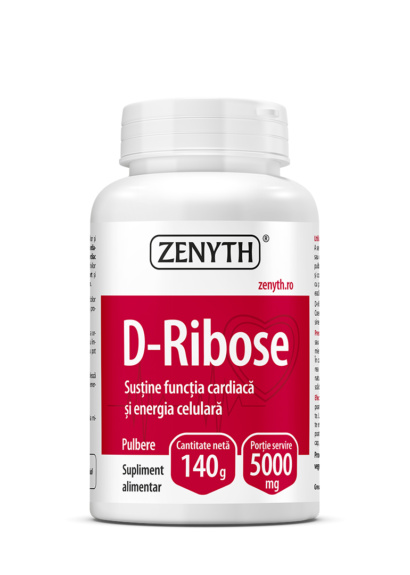
D-Ribose 5000 mg supports cardiac function and cellular energy. Helps protect the heart and enhances physical endurance. 100% plant-based. 140 g powder.
€21.90
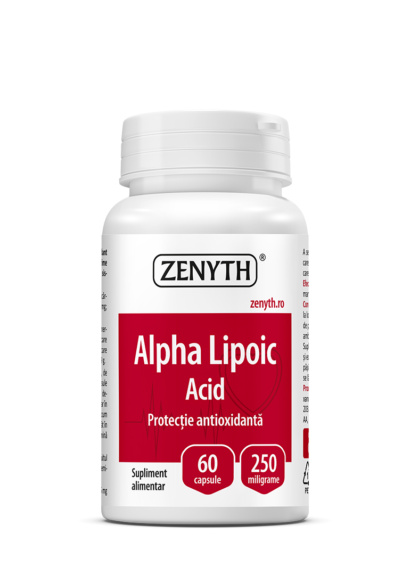
Alpha Lipoic Acid 250 mg, a powerful antioxidant for cellular protection, heart, and nervous system. 60 capsules.
€18.90